Physical Address
304 North Cardinal St.
Dorchester Center, MA 02124
Physical Address
304 North Cardinal St.
Dorchester Center, MA 02124

OpenAI introduces GPT-5.2 with major improvements in reasoning and multimodal understanding.
International decision marks major step toward coordinated global AI governance frameworks.
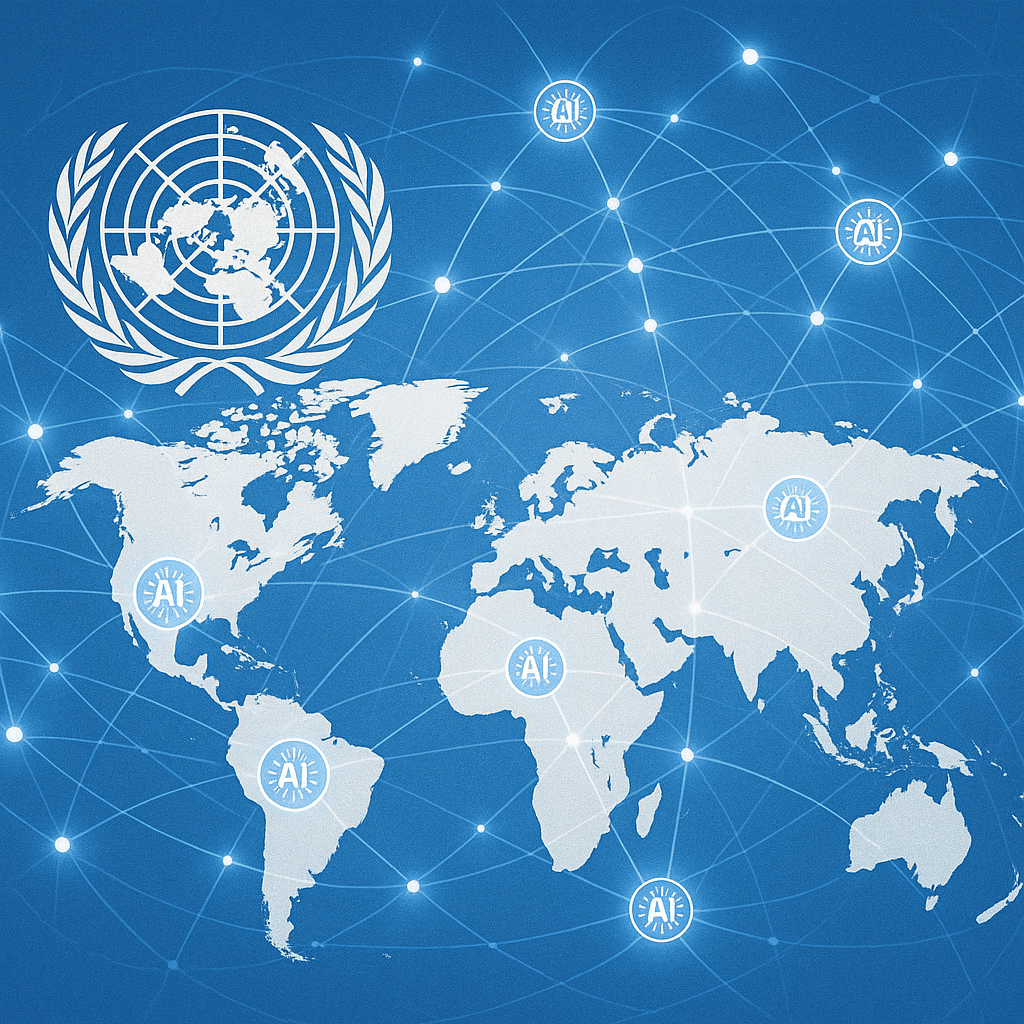
In a significant move for international AI governance, the United Nations has approved the creation of a scientific advisory panel focused on artificial intelligence despite opposition from the United States. This decision marks a major step toward global AI governance frameworks as nations grapple with how to coordinate regulation and safety standards.
The UN General Assembly voted on establishing a comprehensive scientific advisory body dedicated to artificial intelligence governance. This panel represents an international effort to create coordinated approaches to AI safety, ethics, and deployment standards across member nations.
The United States had advocated for using existing multilateral mechanisms rather than creating a new UN body, but most nations supported the initiative. The vote reflects widespread recognition that rapid AI advancement requires urgent international coordination.
The panel will bring together scientific experts from diverse nations to develop recommendations on AI safety evaluation, alignment research, responsible deployment guidelines, and international standards. These recommendations will guide but not mandate individual nations’ policies, preserving national sovereignty while promoting coordination.
Artificial intelligence has emerged as a transformative technology with implications spanning economics, security, governance, and social welfare. The rapid advancement of AI capabilities over the past two years has outpaced the development of regulatory frameworks, raising concerns among governments, researchers, and civil society about ensuring safe and responsible AI development.
International coordination on AI governance has become increasingly important as different nations adopt varying approaches to regulation and safety standards. The UN panel represents recognition that global challenges require global coordination mechanisms.
This decision affects AI researchers, engineers, and companies developing AI systems worldwide. It signals international commitment to establishing governance frameworks for AI development and deployment. Companies operating across borders will need to comply with evolving international standards alongside domestic regulations.
The timeline for the panel’s work and influence on national policies remains to be determined, but the decision indicates that AI governance will increasingly happen at international and multilateral levels, not just domestically.
Watch for the panel’s initial meeting and appointment of member experts. Monitor how quickly the panel develops initial recommendations and which nations adopt its guidance. Track responses from major AI labs and tech companies to the new governance structure.
Q: Why did the US oppose this panel?
A: The US preferred working through existing mechanisms like the OECD and bilateral agreements rather than creating a new UN body.
Q: How will this affect national AI policies?
A: The panel’s recommendations will guide but not mandate national policies. Each country retains sovereignty over domestic AI regulation.
Q: What happens if nations don’t follow the panel’s recommendations?
A: The UN panel’s recommendations are advisory in nature. Adoption depends on individual nations’ decisions and international diplomacy.